
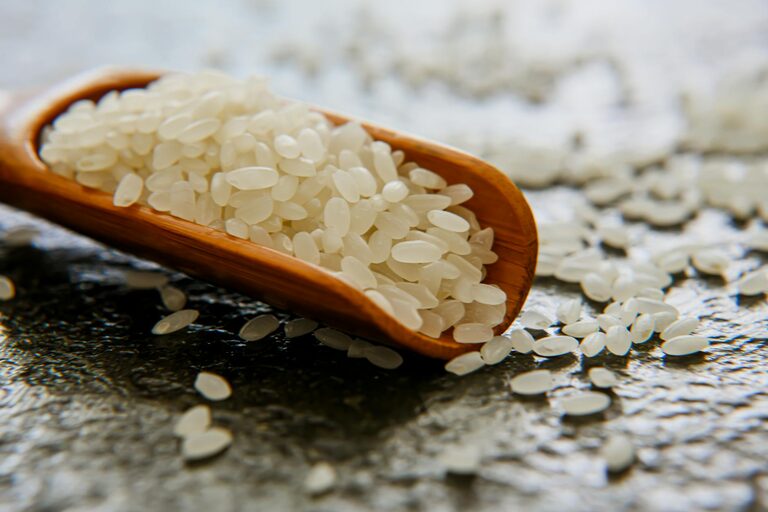
Planning meals from pantry staples is a smart way to save time, reduce food waste, and stick to a budget. Whether you’re stocking a new kitchen or looking to make the most of what you already have, building meals from pantry essentials can be both satisfying and delicious. This guide will walk you through practical steps to plan meals using what’s already in your pantry, plus share ideas to inspire your weekly menu.
Why Focus on Pantry Staples?
Pantry staples are non-perishable or long-lasting foods that form the backbone of many meals. These include dried grains, canned goods, spices, and dried beans, among others. They offer several benefits:
– Convenience: Always ready to cook with, so meal prep is quicker.
– Cost-effective: Bulk or long-lasting items reduce shopping frequency.
– Flexibility: Many staples work in a variety of dishes across cuisines.
– Reduced waste: Using what you have cuts down food spoilage.
By learning how to plan around these ingredients, you can create diverse meals without frequent trips to the store.
Step 1: Take Inventory of Your Pantry
Before making a meal plan, begin by checking what you already have. This might surprise you and spark new ideas.
– List all staples: Include canned goods (beans, tomatoes), grains (rice, pasta), flours, oils, spices, and condiments.
– Check expiration dates to prioritize using items that need to be consumed soon.
– Group items by category to better visualize your options, such as grains, proteins, and sauces.
Having a clear inventory helps avoid duplicate purchases and maximizes what’s on hand.
Step 2: Build a Meal Plan Around Core Ingredients
Once you know your pantry contents, plan meals by combining staple ingredients with a few fresh or frozen items.
Identify your protein sources
Many pantry staples can serve as protein:
– Canned beans (chickpeas, black beans, kidney beans)
– Lentils (dried or canned)
– Canned tuna or salmon
– Nuts and seeds
Choose supporting ingredients
Grains and starches create filling bases:
– Rice, quinoa, pasta, couscous, or polenta
– Potatoes or sweet potatoes (fresh or frozen)
Add flavor with spices and sauces
Staple spices and condiments can transform simple foods into flavorful dishes:
– Salt, pepper, garlic powder, oregano, cumin, paprika
– Soy sauce, tomato paste, vinegar, olive oil
Step 3: Create Balanced and Varied Meals
Try to include a good mix of protein, carbohydrates, and vegetables in each meal.
Incorporate vegetables
If you don’t always have fresh veggies, frozen or canned options work well:
– Frozen peas, spinach, or mixed vegetables
– Canned corn, tomatoes, or mushrooms
Sample meal ideas using pantry staples
– Bean chili: Combine canned beans, diced tomatoes, chili powder, and served over rice.
– Tuna pasta salad: Mix canned tuna, pasta, olive oil, lemon juice, and canned peas.
– Lentil soup: Simmer lentils with canned tomatoes, broth, and spices.
– Rice and beans: Cook rice with beans, cumin, and sautéed onions or onion powder.
– Stir-fry with noodles: Use instant noodles or spaghetti, soy sauce, frozen veggies, and nuts for crunch.
Step 4: Shop Smart to Complement Your Pantry
When it’s time to buy fresh ingredients, focus on items that complement pantry staples.
– Buy versatile vegetables like carrots, onions, and bell peppers.
– Keep some fresh herbs or lemon/lime for brightness.
– Stock up on eggs or dairy if you consume them for added protein options.
This way, you don’t rely solely on fresh perishables but enhance your pantry-based meals.
Step 5: Organize Your Pantry for Easy Access
A well-organized pantry encourages creativity and efficient meal prep.
– Group items by type: grains, canned goods, baking supplies, etc.
– Use clear containers or labels to see what you have at a glance.
– Keep frequently used items within easy reach.
– Rotate older items to the front to use them first.
Maintaining an orderly pantry can help reduce the overwhelm and inspire you to try new dishes.
Bonus Tips for Success
– Batch cook: Prepare large portions and freeze leftovers for busy days.
– Mix and match: Don’t be afraid to experiment by combining different spices or beans.
– Use recipes: There are many online resources for recipes based on pantry ingredients.
– Keep a meal journal: Track what works well to build a personal recipe collection.
Conclusion
Planning meals from pantry staples is a practical and enjoyable way to cook. By knowing your pantry, choosing complementary fresh items, and staying organized, you can create nutritious and tasty meals without stress. Start with what you have today and uncover the delicious possibilities within your kitchen’s staple ingredients!
Happy cooking!