
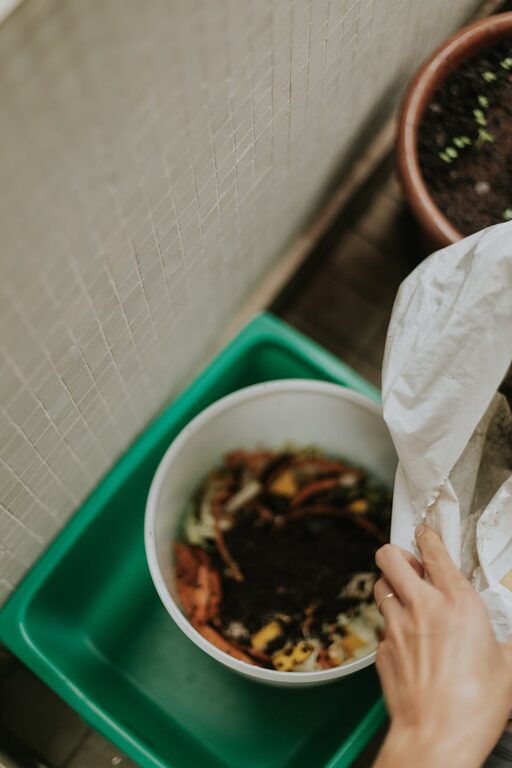
Reducing food waste at home is a simple way to save money, help the environment, and improve your kitchen habits. Every year, vast amounts of edible food are thrown away, contributing to unnecessary waste and greenhouse gas emissions. By adopting a few practical strategies, you can make a positive difference while enjoying fresher meals and a tidier kitchen.
Why Reducing Food Waste Matters
Food waste impacts more than just your wallet. When food is wasted, all the resources used to produce, transport, and store it—such as water, energy, and labor—are also wasted. Additionally, food waste often ends up in landfills where it produces methane, a potent greenhouse gas. By cutting down food waste at home, you support sustainability and reduce your carbon footprint.
1. Plan Your Meals and Grocery Shopping
One of the most effective ways to cut food waste is by planning before you shop.
– Make a weekly meal plan: Decide what you’ll cook each day and list necessary ingredients.
– Check your pantry and fridge first: Use what you already have to avoid buying duplicates.
– Create a detailed shopping list: Stick to it to prevent impulse buys that may spoil.
– Buy only what you need: Purchase smaller quantities of perishable goods if possible.
2. Store Food Properly
Proper food storage extends freshness and delays spoilage.
– Know the right storage method: Some fruits and veggies last longer in the fridge; others do better on the counter.
– Use airtight containers: This keeps food fresh and prevents odors.
– Keep your fridge organized: Place older items in front to use them first.
– Consider freezing: Many foods like bread, meat, and cooked meals freeze well for later use.
3. Understand Expiration Dates
Confusion about “sell by,” “use by,” and “best before” dates causes premature disposal.
– “Best before” dates: Indicate quality, not safety. Many foods remain safe to eat after this date.
– Use your senses: Smell, look, and taste (if safe) to judge whether food is still good.
– Keep track of foods close to expiry: Plan to use or freeze these soon.
4. Use Leftovers Creatively
Leftovers are a valuable resource instead of being tossed.
– Incorporate into new meals: Transform roasted veggies into soups or stir-fries.
– Batch cook and freeze extras: Reheat later for quick meals.
– Prepare portion sizes that match your appetite: Smaller servings reduce uneaten plates.
5. Compost Food Scraps
Not all food scraps should go straight to the trash.
– Set up a compost bin: Fruit peels, vegetable scraps, coffee grounds, and eggshells make great compost.
– Use kitchen-specific bins: Convenient containers on your countertop make composting easier.
– Check local guidelines: Some cities offer yard waste pickup or community compost sites.
6. Shop Smarter for Produce
Fresh produce often spoils quickly if not chosen carefully.
– Buy seasonal fruits and vegetables: They tend to last longer and taste better.
– Purchase “imperfect” produce: Many stores sell “ugly” fruits and veggies at discount prices.
– Avoid bulk buying perishables unless planning meals immediately.
7. Educate Family and Household Members
Reducing food waste is easier with everyone on board.
– Share tips and strategies: Discuss meal plans and waste reduction at home.
– Encourage mindful eating: Serve reasonable portions and save leftovers.
– Involve children: Teach them about food value and waste prevention through fun activities.
8. Track Your Waste
Sometimes, awareness motivates change.
– Keep a food waste log: Note what and how much food gets thrown away each week.
– Identify patterns: Are certain items consistently wasted? Adjust shopping or cooking habits accordingly.
– Celebrate improvements: Reducing waste over time is a rewarding accomplishment.
Final Thoughts
Cutting down food waste at home doesn’t require drastic changes—small, consistent steps add up quickly. With meal planning, proper storage, creative cooking, and a bit of awareness, you can save money, reduce your environmental impact, and enjoy your meals more fully. Start today by choosing one or two tips from this list and watch how your kitchen changes for the better.
Together, we can make a big difference simply by wasting less food.
—
Thank you for reading! If you found these tips helpful, please share them and join the conversation on reducing food waste in your community.